
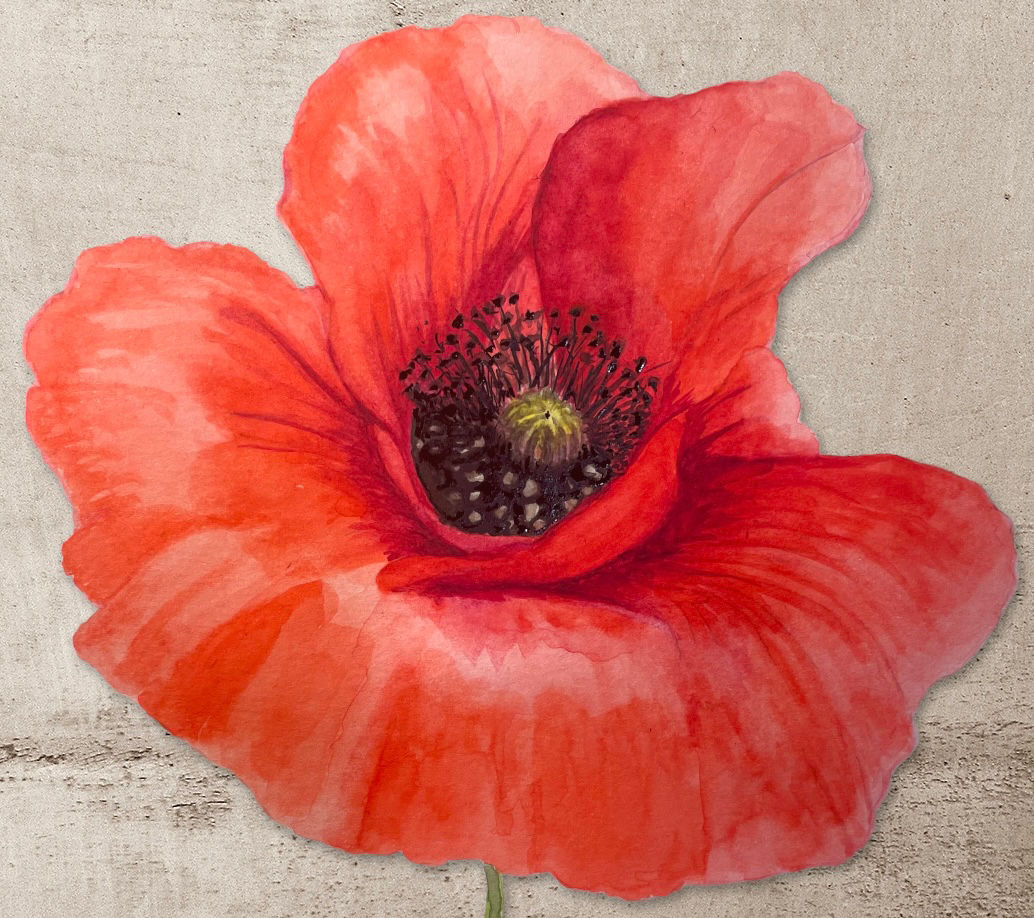
Mastering Beginner Painting Skills in Art Classes

Painting is a wonderful way to express creativity and bring ideas to life. When I first started, I found it both exciting and a bit overwhelming. But with practice and the right guidance, I learned how to improve my skills step by step. If you want to master beginner painting skills, art classes can be a great place to start. They offer structure, feedback, and inspiration that help you grow as an artist.
Getting Started with Beginner Painting Skills
Starting with painting can feel like a big challenge. There are so many materials, techniques, and styles to explore. But the key is to keep things simple and focus on the basics first. I recommend beginning with these steps:
Choose the right materials: Start with basic supplies like acrylic paints, a few brushes, and canvas or paper. Acrylics dry fast and are easy to work with.
Learn color mixing: Understanding how to mix primary colors to create new shades is essential. Try mixing red, blue, and yellow to see what colors you can make.
Practice brush control: Experiment with different brush strokes and pressure. This helps you create texture and detail in your paintings.
Start with simple subjects: Paint everyday objects like fruits, flowers, or simple landscapes. This builds your confidence and observation skills.
Taking time to practice these beginner painting skills regularly will help you see steady improvement. Remember, every artist starts somewhere, and patience is part of the journey.

How Art Classes Help Build Your Painting Skills
Joining art classes can make a huge difference in your progress. When I enrolled in classes, I found that having a teacher and classmates pushed me to try new things and stay motivated. Here’s how art classes support your growth:
Structured learning: Classes guide you through techniques in a logical order. You won’t feel lost trying to figure everything out on your own.
Personal feedback: Instructors can spot areas for improvement and offer tips tailored to your style.
Creative community: Being around other artists inspires you and creates a space to share ideas.
Access to resources: Classes often provide quality materials and demonstrations you might not have at home.
What is the 70 30 Rule in Art?
One concept I learned in my classes is the 70 30 rule. It’s a simple guideline that helps balance your painting composition. The rule suggests that about 70% of your artwork should be the main subject or dominant color, while the remaining 30% supports it with contrast or background elements.
This balance keeps your painting interesting without overwhelming the viewer. For example, if you paint a bright red apple (70%), the background might be a muted green or brown (30%) to make the apple stand out. Applying this rule helps create harmony and focus in your work.
Try using the 70 30 rule in your next painting. It’s a practical way to improve your composition and make your art more visually appealing.
Tips for Practicing and Improving Your Painting Skills
Practice is the key to mastering any skill, and painting is no different. Here are some tips that helped me improve faster:
Set small goals: Focus on one technique at a time, like shading or blending colors.
Keep a sketchbook: Draw or paint daily, even if it’s just quick studies.
Experiment with styles: Try realism, abstract, or impressionism to find what you enjoy.
Use references: Work from photos or real objects to improve accuracy.
Take breaks: Step back from your work to see it with fresh eyes.
Ask for feedback: Share your work with others and be open to suggestions.
By following these tips, you’ll build confidence and develop your unique style. Remember, every painting is a step forward.
Once you feel comfortable with beginner painting skills, it’s exciting to explore more advanced techniques. You might try:
Layering and glazing: Build depth by applying thin layers of paint.
Texture creation: Use palette knives or sponges for interesting effects.
Mixed media: Combine paint with other materials like charcoal or collage.
Custom art projects: Create personalized pieces for yourself or others.
Continuing your education through workshops, online tutorials, or more advanced art classes can keep your skills sharp. Sharing your work with a community, whether online or in person, also helps you stay inspired.
Mastering painting is a journey, not a destination. Each brushstroke teaches you something new. Keep exploring, practicing, and enjoying the process.
I hope these insights help you feel ready to start or continue your painting adventure. Remember, the best way to improve is to keep creating and learning. Happy painting!


Comments